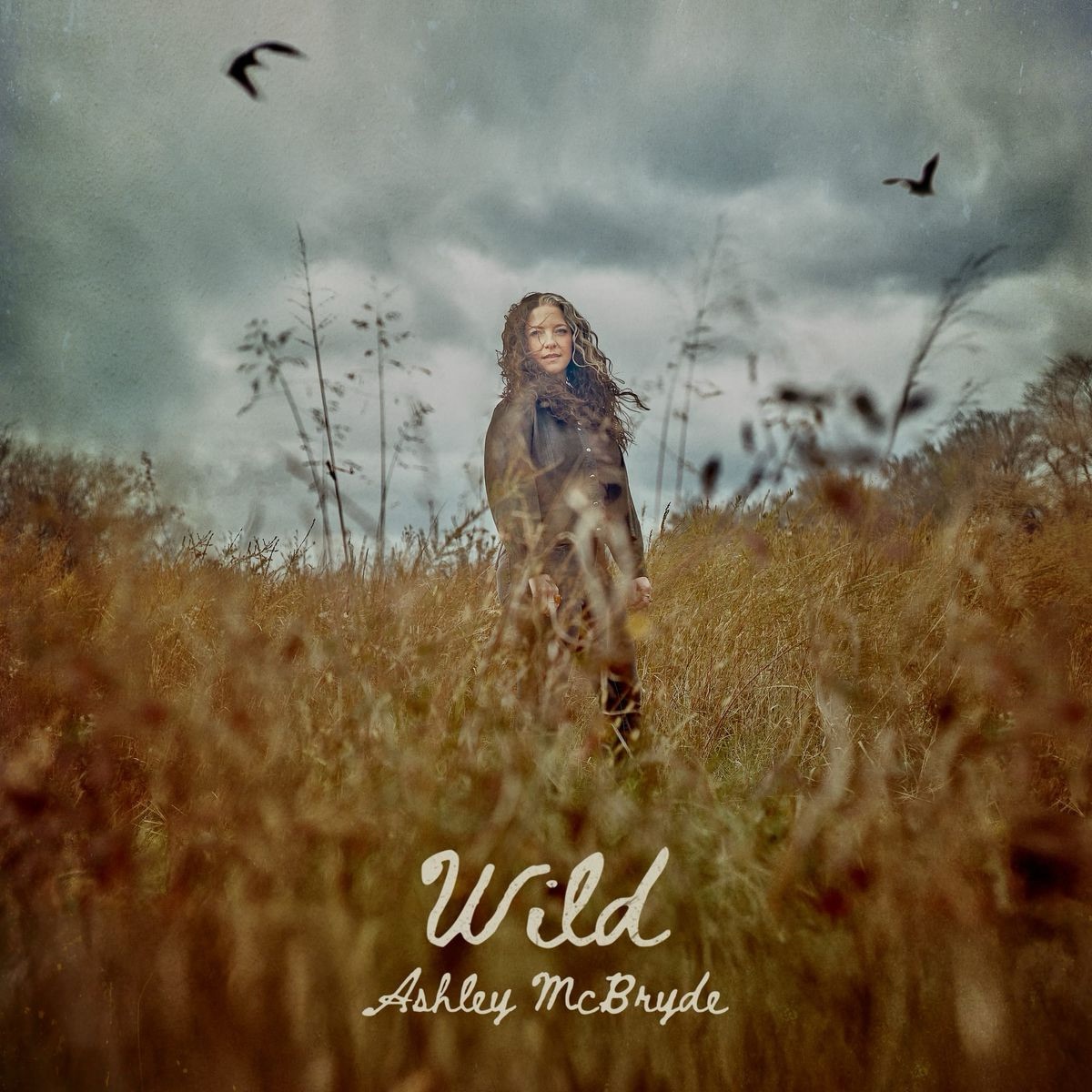
Since breaking out with her Girl Going Nowhere album Ashley McBryde has cultivated a distinct sound for herself, noticeably different than other women in mainstream country music. Despite still being on a major Nashville label, she has refused to follow trends, instead sticking with a formula of albums filled with passionate heartland rock alongside more emotive, acoustic country ballads. Her only real deviation from that path has been her collaborative Lindeville, which presented a more humorous and playful kind of country music.
While previous album ‘The Devil I Know’ was stacked with drinking songs, I hadn’t actually realised that alcohol had become such a problem for Ashley until hearing this new album. Maybe that tells you something about country music – I just thought all the drinking songs were just lyrical tropes of the genre and not personal revelations about how she’d basically become the ‘Blackout Betty’ she sang about.
The fact that every big country singer also has their name on a bar in Nashville shows it’s more than a lyrical cliche, it’s now deeply entwined in the big, capitalist country music machine. Even Ashley has been playing in Eric Church’s Broadway bar, opening her own floor called Redemption Bar which is dedicated to alcohol free drinks. That may sound like she’s bucking the trend but it also seems like a strange choice, walking into the belly of the beast like that. When I saw Jason Isbell at the Ryman it felt even more powerful to hear him sing ‘Cover Me Up’ just yards away from one of the worst examples of what drinking can do to people and a city. To stay strong and sober in the face of such overwhelmingly saturated drinking culture is a Herculean task and a rebellious one too.
Ashley has said that part of her sobriety journey has also been about reclaiming her career and being more confident to make decisions that feel right musically. First was deciding that she had to finally record live show favourite ‘Rattlesnake Preacher’, a song she admits previous producers had not been keen on. Her record label let her choose her own producer this time and it’s no surprise to me that she chose John Osborne, who worked with her on the brilliant Lindeville. He knows how to bring out her country side but isn’t afraid to let her absolutely rock out too, bringing the fire and brimstone of the live version of this song onto the record.
The album doesn’t let up, in fact ‘Arkansas Mud’ hits even harder, being one of her heaviest songs ever. She is taking us to dark places, right into the deep of her bones. Her band crank it up and you think they have potential to go even grungier and muddier with this one live. ‘Water in the River’ is another blistering old live favourite which she really wanted to record for this album.
Going back into the past is painful, but you sense an appetite for getting things out and on ‘Creosote’ she’s back as a kid, running free. This rough and ready sounding country song was written with Lisa Carver who’s also penned songs for Reba and Tanya Tucker. Ashley sings ‘don’t cry for me’ as though she’s a lost cause.
‘Bottle Tells Me So’ is the turning point of the album – the first ballad on the album, the first song where she sounds like she’s taken an inward breath, like she’s finally woken up to the truth of her life – hungover and destroyed and ready to face herself in the mirror. It’s a brutal, brilliant song especially when placed in contrast with some of her earlier drinking songs. She shares a writing credit with Terri Jo Box and Shelly Fairchild who also offers backing vocals across the album. You hope people hear it and really listen. We need more sober songs in country music.
If that is a turning point in her alcohol journey, then re-recording her old song ‘What if We Don’t’ suggests a turning point in her personal relationships too – finally embracing the potential of falling in love despite the consequences. The video for ‘What if We Don’t’ has Ashley in a therapy session, thinking back to a traumatic accident in her teenage years. But what is key to the emotion of this song is that in the video the young Ashley is clearly in love with her female best friend. The video has lead to many supportive comments from the gay community, which is great to see. Fans may have questions about Ashley’s personal life after seeing this video, ones she has so far chosen not to address. Instead she’s let the video speak for itself as a powerful statement about coming to terms with your past and believing in the possibility of love. Make of that what you will.
One of the outside cuts on this album is a song called ‘Behind Bars’ which plays on the double meaning of ‘bars’ and conveys the idea of drinking being a prison. It doesn’t have the same stand out melody as her own written songs but you can see why she wanted to record this one as it feels like a truthful way of exploring the pain of drinking culture and being trapped in a place where you can’t escape.
Ashley has an unmatched ability to floor you with her ballads and on this album that song is ‘Hand Me Downs’. What other artist in mainstream country music is writing songs about the pain of inherited generational trauma? Her vocals are on another level and by the end of the song when she sings ‘if I can just understand it / And leave something better behind’ you just really hope she can break the cycle. Even writing this song suggests she’s already there (this song had me thinking back to her heartbreaking song ‘Stone’ about her brother’s death as well).
After that powerful moment, title track ‘Wild’ slows down and tries to come to terms with letting go of versions of your past. She sings to the idea of the ‘wild’ and wonders if others have the same longing for the freedom, the unexpected, the danger she does.
On album closer ‘Ten to Midnight’, written with Travis Meadows, she’s witness to someone else’s drunken behaviour and must confront her own past reflection, concluding ‘I can’t save you from yourself or drive you home’. She’s through to the other side now and knows the consequences of this kind of life.
Growing up takes a little time and ‘Wild’ feels like the result of a lot of living and learning. It’s an album that feels made for the live show where her music really roars. Another powerful, emotional punch in the gut from one of the best artists in country music.
Read Next:
> 2026 Album Review: Lucinda Williams ‘World’s Gone Wrong’
> Favourite Albums of the Year 2017-25
> Dolly Parton’s Discography Reviewed & Ranked
SUBSCRIBE for weekly album reviews and features: Highway Queens Substack


Leave a Reply